Tactical merge-based zombie defense built for quick mobile sessions
Dead Stop TD, from Series Entertainment, is a mobile strategy title that tasks players with defending a final wall against endless undead waves. The game centers on a merge-to-upgrade loop and tactical grid placement, combining guard points, barracks, watchtowers, and bunkers. Key systems include a permanent prestige progression, powerful battlefield relics, and portrait-mode one-handed controls. It targets strategy and tower defense players who value repeatable runs and short, tactical mobile play.
What kind of game is Dead Stop and how do you play it?
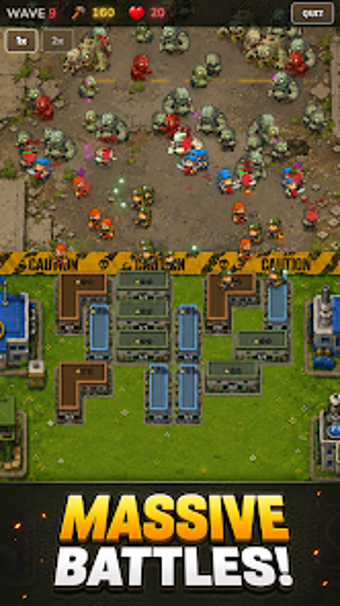
In this game you place defensive buildings on a battlefield grid to stop waves of zombies. The primary loop requires merging identical structures to create stronger versions, which increases damage and utility. Players direct placement to influence enemy pathing and deploy relics such as ember storms and railguns for area effects. The match goal is to hold a final wall against varied undead, including fast runners, heavy shamblers, and boss units.
Does it support different play styles and session lengths?
Players can opt for quick tactical sessions thanks to portrait orientation and one-handed controls designed for short mobile play. Permanent progression exists between runs through cards, missions, and mutation materials that unlock upgrades and mutations. The game encourages repeated attempts, with the Elite prestige system granting materials that strengthen future runs, so play sessions compound into long-term advancement rather than single-run growth.
What does the audio, art, and interface contribute to play?
The title uses a vibrant visual style and mobile-focused UI that keeps controls reachable in portrait mode. Audio cues mark enemy types and relic activation, helping players react to fast runners and boss waves. The grid interface communicates merge possibilities and placement ranges, which supports tactical decisions during hectic waves. Interface clarity matters because positioning directly affects pathing and defensive coverage.
How steep is the learning curve and what drives replayability?
The merge mechanic is straightforward: combine two identical buildings to upgrade them, which makes early learning accessible. However, the strategic demand rises as relic choices and unit placement interact with diverse enemy types. Replayability comes from permanent upgrades, collected cards, and mutation materials that change future runs. The game rewards experimentation with builds and relic timing, appealing to players who enjoy iterative progression rather than a single linear campaign.
A targeted pick for repeatable tactical mobile defense
Dead Stop suits players who prefer concise, tactical sessions and incremental long-term growth through prestige and card-based upgrades. It favors mobile play with portrait controls and persistent progression, so players seeking a story-driven campaign or long, uninterrupted missions may find it less suitable. For fans of merge mechanics and defense puzzles, the game is a focused choice worth trying.